
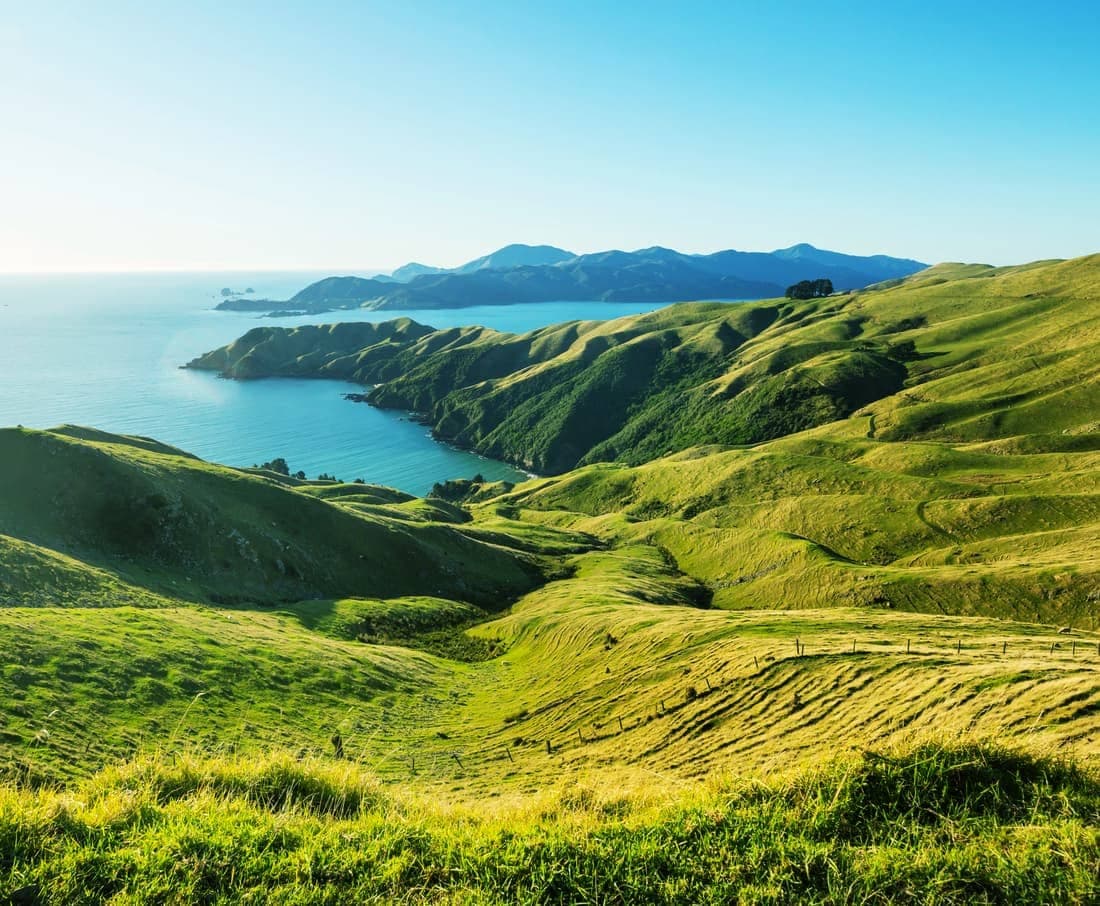
If you’ve ever dreamed of a land filled with turquoise waters, soaring peaks, and golden coastlines, New Zealand should be at the top of your list. It’s a place where nature shows off: glaciers meet rainforests, volcanoes touch the clouds, and the locals welcome you with that trademark Kiwi charm.
New Zealand earned the nickname “Middle-earth” after the Lord of the Rings and Hobbit trilogies were filmed across its breathtaking landscapes, from misty mountains and rolling green hills to volcanic plains that perfectly brought Tolkien’s fantasy world to life. Whether you’re here for the thrilling adventure opportunities, stunning scenery, or the cultural attractions, there’s no shortage of things to do in New Zealand, as every corner offers something unforgettable.
If you're heading down under and wondering "What should I not miss in New Zealand?", we break down the top New Zealand tourist attractions and must-visit destinations in 2026 that will help you make your trip one for the books.
1. Milford Sound – The Eighth Wonder of the World
It’s impossible to talk about what to do in New Zealand without mentioning Milford Sound. Carved by glaciers over millions of years, this deep fjord on the South Island is surrounded by towering cliffs, misty rainforests, and cascading waterfalls. Nature cruises glide across its dark waters, where dolphins and seals often swim alongside the boats. It’s part of the UNESCO World Heritage area of Te Wahipounamu (South West New Zealand) because of its “natural wonder” values.
Fun fact? It’s one of the wettest inhabited places on Earth: annual rainfall is around 6,813 mm, with rain on about 182 days of the year. If you’re lucky, you might even spot penguins while on a dolphin tour! Under the surface, deep-water marine species unique to fjords occur here. The star of the show is Mitre Peak, rising dramatically straight from the sea. For the best experience, take a Milford Sound scenic flight or kayak tour.
The sheer scale of this natural wonder will leave you speechless during your helicopter flight or cruise. Entrance to Milford Sound is free, but tours range from NZD $70–$200 depending on the type of experience. Doubtful Sound is another major fjord nearby.
2. Aoraki / Mount Cook National Park – Home of the Giants
At the heart of the Southern Alps lies Mount Cook, New Zealand’s tallest peak, standing at 3,724 meters. The Mount Cook National Park is packed with jaw-dropping hiking trails, glacial lakes, and views that look straight out of a fantasy movie for your social media feed. Base yourself in Mount Cook Village, where you’ll find comfortable lodges, campgrounds, and easy access to famous walks like the Hooker Valley Track.
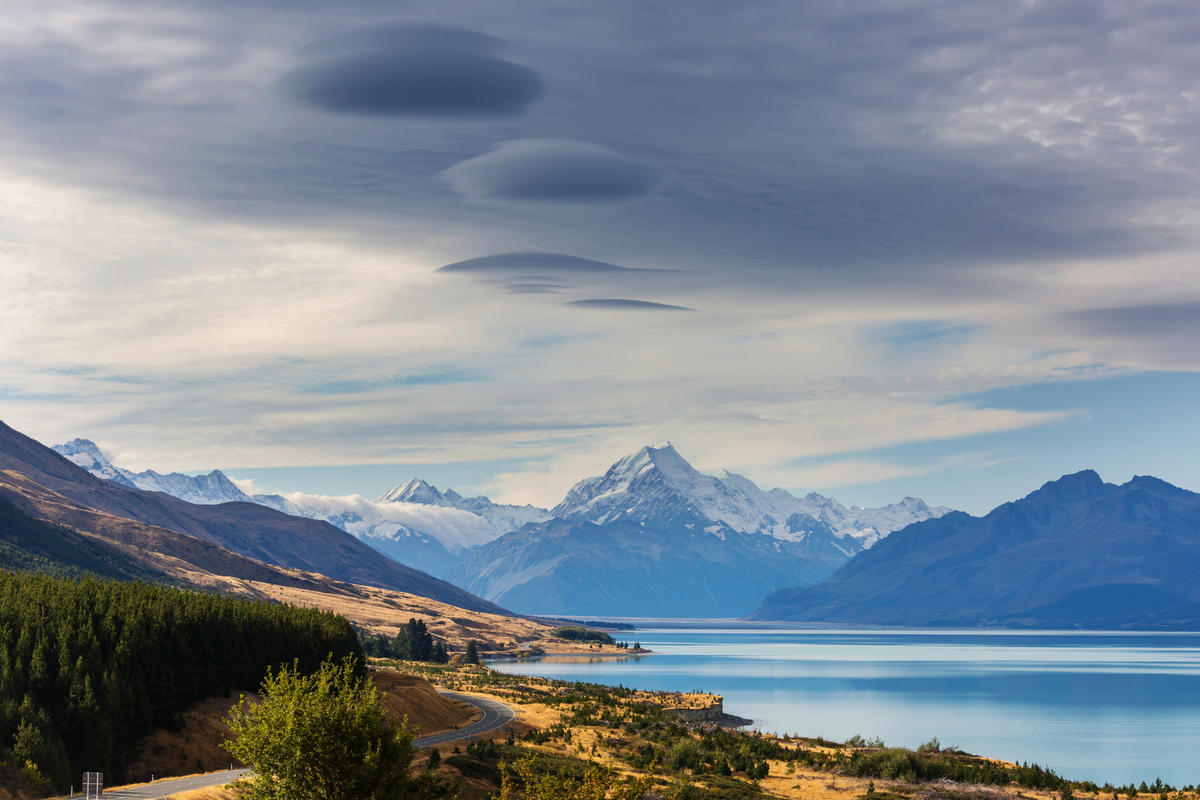
This trail leads to Hooker Lake, an icy-blue masterpiece dotted with floating icebergs and backdropped by Mount Sefton and Aoraki itself. The park also offers stargazing at the Mount John Observatory, one of the best places in the world to view the Milky Way thanks to the region’s Dark Sky Reserve.
Ready to sell?
Are you ready to sell your currency? Stop waiting and request a Shipping Kit. We will provide everything you need to ship and receive funds for currencies you own.REQUEST YOUR SHIPPING KIT
3. Lake Tekapo – Where the Night Sky Comes Alive
Few places capture the soul of New Zealand’s stunning landscapes like Lake Tekapo, covering about 83 km² and sitting at roughly 710 m above sea level. Its famous, unreal turquoise waters, caused by rock flour (extremely fine particles of rock ground by glaciers, suspended in the water, scattering sunlight) from surrounding glaciers, shimmer against a backdrop of snow-capped peaks.
During the day, it’s perfect for kayaking or simply relaxing by the shore. But when the sun goes down, the area transforms into a stargazer’s paradise. The Mount John Observatory sits above the lake, offering guided night tours led by an expert guide who’ll point out constellations, planets, and shooting stars. Surrounding the lake is the Aoraki Mackenzie Dark Sky Reserve, one of the largest in the world (~4,367 km²), making it a top destination for stargazing.
Make sure to visit the Church of the Good Shepherd for that postcard-perfect photo — it’s one of New Zealand’s most photographed landmarks. You can pause for coffee and cake with an unforgettable view at the nearby Astro café at the summit of Mount John, described as one of the world’s best locations for a café. The access fee for the road is approx NZD 14 per vehicle, and try going earlier in the day for the best view.
4. Queenstown – The Adventure Capital of the World
If you crave adrenaline and are looking for stuff to do in New Zealand that will make your blood race, Queenstown is where your next adventure begins. Known as the home of extreme sports, this lakeside town offers numerous famous adventure activities – everything from renting a jet boat and zip lining to skydiving and bungee jumping.
Surrounded by the stunning landscapes of Central Otago, it’s also a gateway to Gibbston Valley, a famous wine region right outside Queenstown, with vineyard tours offering a more relaxing contrast to the thrills. In the Gibbston Valley, you can taste the famous local Pinot Noir or Sauvignon Blanc. For an unforgettable experience, take the Skyline Gondola up Bob’s Peak – the panoramic views over Lake Wakatipu and the Remarkables Mountains are nothing short of breathtaking. Queenstown is a very easy-going place, too.
After a big day, unwind with a drink by the water and soak in the laid-back vibes that make it so special at the Boat Shed Café & Bistro in Frankton Marina on the shores of Lake Wakatipu, offering both delicious brunch fare (think blueberry French toast, chorizo scramble, and fish ‘n' chips) and one of the most scenic lakeside patio views in the region. You can also stop by the Moke Lake, just 15 minutes from Queenstown.
5. Tongariro National Park – Land of Fire and Ice
New Zealand’s oldest National Park, Tongariro National Park, is a natural and cultural UNESCO World Heritage Site that blends volcanic power with spiritual significance. Home to Mount Tongariro, Mount Ngauruhoe (a.k.a. Mount Doom from The Lord of the Rings), and Mount Ruapehu, it’s a playground for hikers and film fans alike.
The Tongariro Alpine Crossing is often called one of the best walking trails in the world. This 19.4 km route takes you across moonlike craters, steaming vents, and emerald-colored lakes - a true showcase of natural wonders. Thus, it's no surprise that it's one of the most visited tourist attractions in New Zealand.
The full-day walk of the Tongariro Alpine Crossing saw up to ~105,000 visitors between 1 Oct 2023 and 8 Apr 2024 (day-hikers + partial walkers) according to Department of Conservation (DOC) data. DOC invests heavily in infrastructure: the park has ~175 km of tracks, 32 back-country toilets, and 8 huts. Summer offers clear, dry conditions, while winter brings snow, turning parts of the park into a ski destination.
6. Franz Josef Glacier – Ice Meets Rainforest
Located on the South Island’s wild West Coast, the Franz Josef Glacier is one of the most famous of the Big Five Glaciers of New Zealand and among the few places on Earth where you can hike directly on ice while surrounded by lush rainforest. A multi-day trek is also an option for those wanting a deeper exploration with an expert guide. The Fox Glacier is right next door, so travelers often visit both.
After your icy adventure, you can wind down in nature in one of the nearby hot pools, where naturally heated water helps you recover while you gaze at the Southern Alps towering above. One of the favorites is Waiho Hot Tubs, an intimate hot-tub experience where you can reserve a private tub, surrounded by lush rainforest, with fresh mountain-stream water and wood-fired heating.
7. Lake Wanaka – Serenity and Scenery Combined
Just an hour from Queenstown, Lake Wanaka is a dream come true for anyone who loves the outdoors. Its calm turquoise waters are perfect for paddleboarding or kayaking, while surrounding walking trails lead to panoramic viewpoints and trails to waterfalls hidden among the forests.
Don’t miss the iconic Wanaka Tree, a lonely willow growing straight out of the lake — one of the most photographed trees in the world. For hikers, Roy’s Peak offers a challenging climb with one of the most rewarding views on the South Island. Afterward, reward yourself with a drink in town and enjoy the laid-back vibes that make Wanaka such an easy-going place to linger.
8. Lake Taupo – Adventure at the Heart of the North Island
Right in the center of the North Island sits Lake Taupo, a massive volcanic crater lake roughly the size of Singapore. It’s a hotspot for fishing, water sports, and thrilling adventure opportunities like skydiving and jet boat tours on the Waikato River.
Nearby, you’ll find the spectacular Huka Falls – where 220,000 liters of water thunder through a narrow gorge every second. There are scenic walking trails all around, and you can relax afterward in one of the region’s hot springs. Taupo also serves as a base for trips into Tongariro National Park, making it a great spot to combine action with relaxation.
9. Abel Tasman National Park – Golden Coastlines and Blue Lagoons
At the top of the South Island, Abel Tasman National Park is a slice of paradise known for its golden coastlines, crystal bays, and lush native forests. The Abel Tasman Coast Track, one of New Zealand’s Great Walks, is perfect for multi-day treks.
You’ll pass secluded beaches, encounter native birds, and maybe even see fur seals lounging on the rocks. Many travelers choose to kayak between coves or take water taxis to different sections of the park, allowing a mix of relaxation and outdoor adventure.
10. Rotorua – The Beating Heart of Maori Culture
Rotorua, located in the North Island, is famous for its geothermal activity and deep connection to Kiwi culture. You’ll smell the sulfur before you see the bubbling mud pools and geysers that make this region so unique. But what really makes Rotorua special are the cultural attractions – traditional Maori villages where you can watch performances, taste hangi (earth-cooked food), and learn about ancient customs.
After exploring and enjoying the Rotorua Maori experience, you can unwind in one of Rotorua's secret hot pools – legendary hot springs, where the mineral waters soothe your body and spirit. For more action, visit the nearby white-water rafting and waterfall Kaituna River, adorned with Tutea Falls, the world’s highest rafted waterfall.
11. Stewart Island / Rakiura – The Wild South
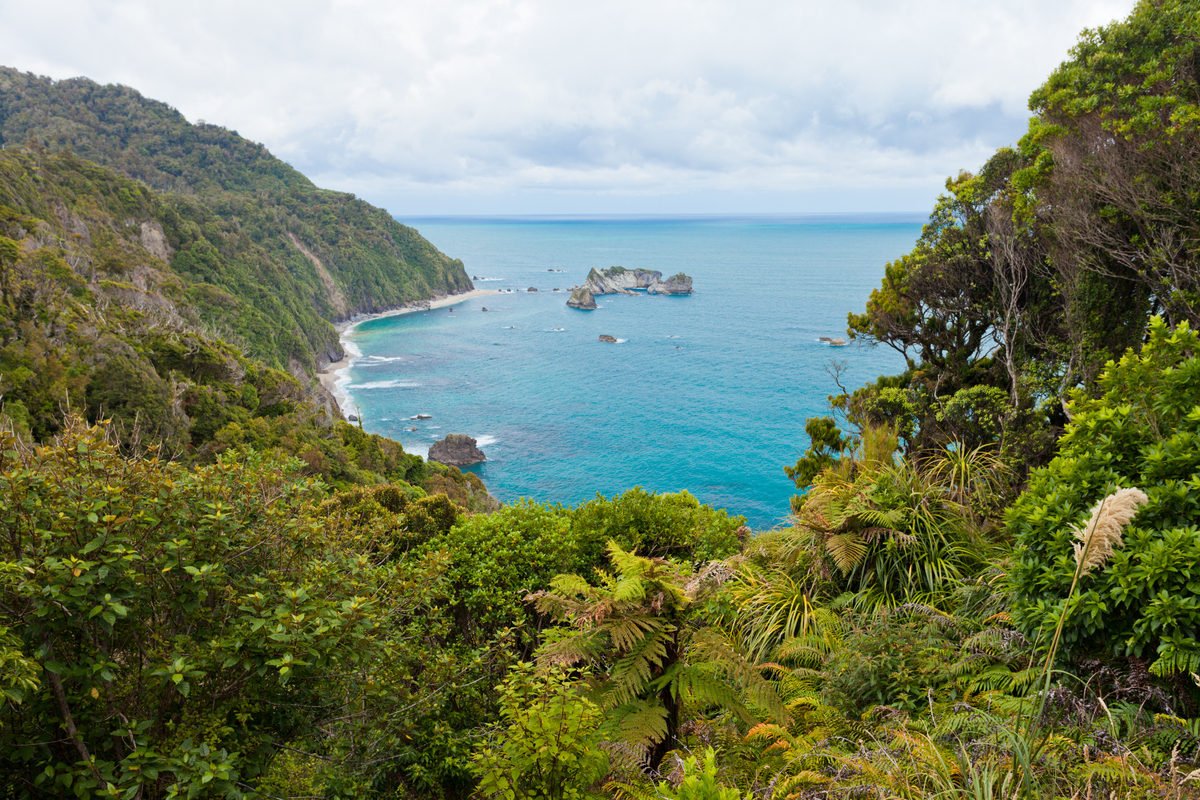
If you’re looking for what to see in New Zealand beyond the main islands, hop over to Stewart Island/Rakiura, the country’s third and most remote island. It’s a haven for wildlife lovers and hikers. Most of the island is protected as a National Park, offering walking trails through untouched forests filled with native birds, including the elusive kiwi, which you might spot in the wild here.
The island’s dark skies also make it a top spot for viewing the Southern Lights (Aurora Australis), a phenomenon that adds pure magic to the island’s stunning landscapes.
12. Mount Cook Village and Lake Pukaki – The Perfect Pair
Before or after exploring Mount Cook National Park, make sure to visit Lake Pukaki, one of New Zealand’s most mesmerizing glacial lakes. Like Lake Tekapo, its surreal, rich milky-blue hue is also due to “rock-flour” – fine glacial sediment suspended in the water.
Covering 178.7 km² and sitting at ~518–522 m above sea level, the lake perfectly frames Mount Cook in the distance, making it one of the most photographed views in the country. Nearby, Mount Cook Village offers cozy lodges and access to trails that lead deep into the mountains. On a clear day, you can even catch reflections of Aoraki shimmering on the lake’s glassy surface.
13. Coromandel Peninsula – Beaches and Pohutakawa Trees
To finish our list, head to the Coromandel Peninsula, a region that embodies New Zealand’s relaxed coastal lifestyle. Known for its native pohutakawa trees (which bloom bright red in summer), it’s home to some of the country’s most beautiful beaches, where you can soak in the local beach vibe.
Dig your own spa at Hot Water Beach, where warm springs bubble up through the sand at low tide. Or kayak to Cathedral Cove, a stunning sea arch that’s one of the country’s top Instagram spots. It’s the perfect place to slow down, breathe in the ocean air, and soak up this must-visit destination.
Travel Money: Paying Your Way Around New Zealand
When you’re exploring New Zealand’s stunning landscapes, hopping on a ferry to Stewart Island, or grabbing a flat white in a local café, it helps to have your money sorted before you go. The local currency is the New Zealand dollar (NZD). Credit and debit cards are widely accepted almost everywhere, including hotels, restaurants, and even smaller shops in towns like Wanaka or Taupo.
Contactless payments are very common, but you’ll still want to carry some New Zealand cash for small purchases, especially in rural areas, farmers’ markets, or when you’re buying quirky souvenirs from local stalls. Tipping culture in New Zealand is not expected, but rounding up a bill or leaving 5–10% for great service is always appreciated. Public transport and taxis can be paid for by card, but some rural buses or small-town shuttles still take cash only.
To make sure you’re ready from day one, it’s smart to have New Zealand dollars in hand before your flight. You can buy New Zealand dollars online at US First Exchange. We offer competitive rates and deliver high-grade, crisp bills right to your doorstep within 24–48 hours. Shipping is secure and fully insured, so you can travel stress-free knowing you’ll have local currency ready for your first airport taxi ride, coffee, or your first ticket, or that first scenic souvenir in the Kiwi land.
Notable Mentions: More Incredible Places to Add to Your New Zealand Itinerary
New Zealand is absolutely brimming with unforgettable places, experiences, and natural wonders — far more than any single list can cover. While the main highlights above showcase the country’s most iconic destinations, here are additional notable mentions worth considering as you plan your trip. Each offers its own unique slice of Aotearoa’s landscapes, wildlife, adventure, and culture.
- Fiordland National Park – A UNESCO-listed wilderness of dramatic fjords, waterfalls, and rainforests, home to some of the country’s most spectacular scenery.
- Milford Track – One of New Zealand’s Great Walks, often called “the finest walk in the world,” running through Fiordland’s lush valleys and glacier-carved landscapes.
- Waiheke Island – A short ferry ride from Auckland, known for its boutique wineries, beaches, and laid-back beach vibes and island lifestyle.
- Waitomo Caves & Waipu Caves – Magical underground cave networks where thousands of glow worms illuminate the darkness; Waitomo is iconic, while Waipu offers a more off-the-beaten-path experience.
- Hawke’s Bay – One of New Zealand’s premier wine regions, famous for its vineyards, Art Deco architecture, and sunny coastal landscapes. Te Mata Peak is a dramatic limestone peak overlooking Hawke’s Bay, offering panoramic views and excellent hiking.
- Hobbiton Movie Set – A must-see for movie lovers; walk through the charming Shire, the Green Dragon Inn, and lush hobbit holes from The Lord of the Rings and The Hobbit trilogies.
- Kaikōura – One of the best helicopter whale-watching destinations on Earth, where nutrient-rich waters attract giant sperm whales year-round and migrating humpback whales in winter.
- Mt Taranaki – A near-perfect volcanic cone with some of New Zealand’s best day hikes and a striking resemblance to Japan’s Mt Fuji.
- Muriwai Beach – A dramatic West Coast beach near Auckland known for its black volcanic black sand beaches and large gannet colony.
- Makarora River & Siberia River – Crystal-clear glacial rivers in the Southern Alps near Wanaka, often part of the “Siberia Experience” combining scenic flights, hikes, and jet boat rides.
- Bay of Plenty – A warm, coastal region known for its beaches, marine wildlife, geothermal activity, and laid-back seaside towns.
- Blue Pools – Stunning glacier-fed pools near Makarora with unbelievably clear turquoise water, accessible via a short forest walk.
- Kepler Track – Another of New Zealand’s Great Walks, featuring lakes, ridgelines, and beech forests within Fiordland National Park.
- Te Papa Museum – New Zealand’s national museum in Wellington, renowned for its world-class exhibits on art, nature, history, and Maori culture.
- Bay of Islands – A subtropical paradise dotted with more than 140 islands, perfect for sailing, dolphin tours, beaches, and historic sites.
- Ninety Mile Beach & Cape Reinga – Northland’s legendary coastal drive paired with the country’s sacred northernmost point, where the Tasman Sea meets the Pacific Ocean.
- Lake Matheson – Famous for its mirror-like reflections of Aoraki/Mount Cook on calm days, located near Fox Glacier.
- Shotover River – A dramatic, narrow canyon river near Queenstown known for high-speed jet-boat tours and adrenaline-filled experiences.
Adventure Is Calling: Experience the Breathtaking New Zealand Tourist Attractions Firsthand
New Zealand is more than a travel destination; it’s an experience that stays with you long after you’ve left. From Mount Cook’s snowy peaks to Milford Sound’s misty fjords and Lake Tekapo’s starry nights, it’s a country that captures the imagination and fuels the spirit of adventure.
So, whether you’re chasing thrilling adventure opportunities, exploring cultural attractions, or simply trying to figure out what to do in New Zealand while you're there, you’ll find no shortage of wonders and opportunities waiting for you here. Pack your hiking boots, camera, and curiosity, and let this remarkable land of contrasts and beauty show you why it’s one of the world’s greatest tourist attractions.
If you're left with any leftover currency after your trip, you can easily exchange your NZD back to USD here at US First Exchange, and maybe save a bill as a keepsake of your time in "Middle-earth".